
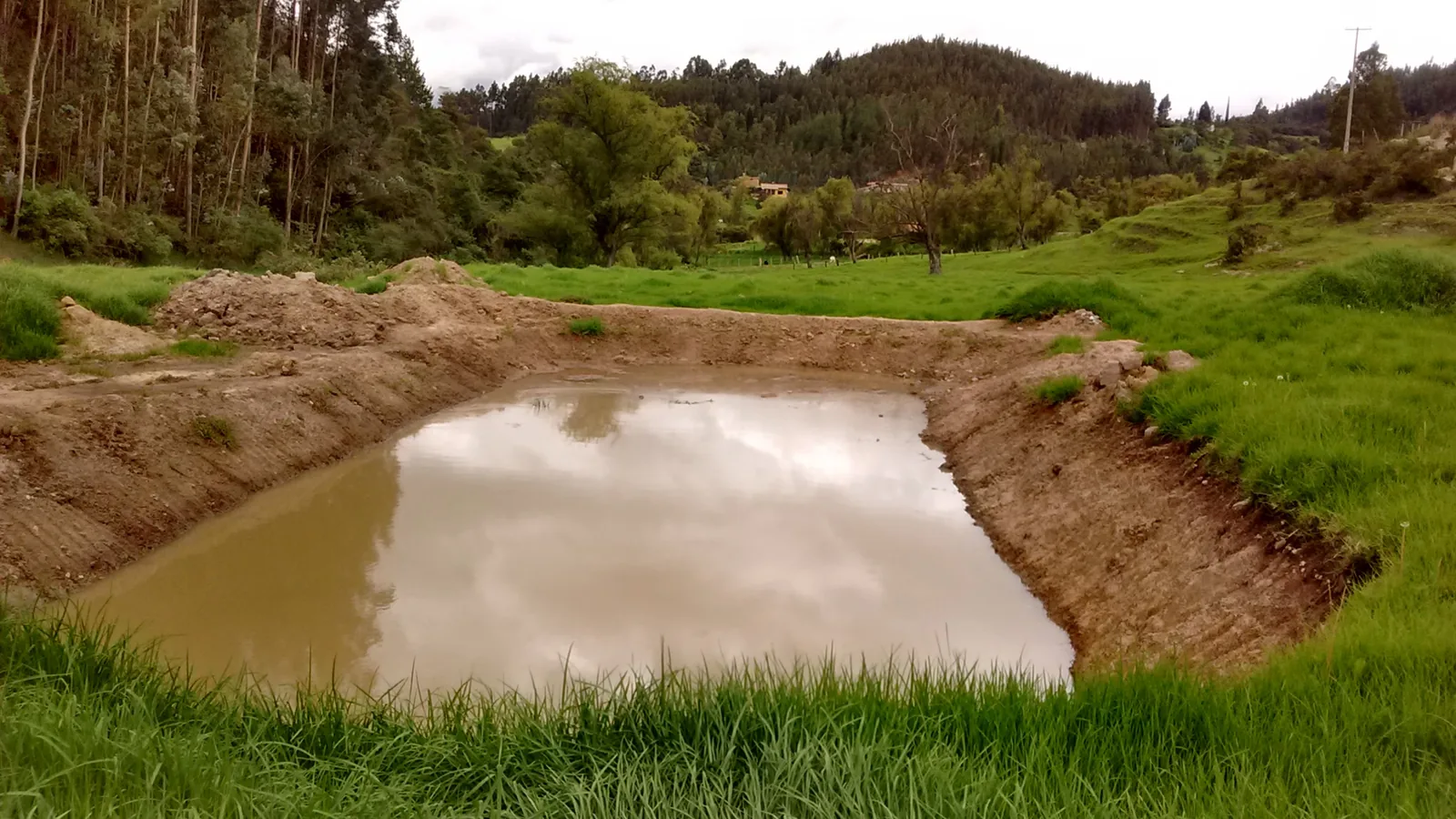
How much does it cost to dig a pond in Louisiana?
Most Louisiana ponds get priced by the acre, and Bob Vila puts construction at $3,000 to $8,200 per acre. HomeAdvisor runs wider at $2,000 to $25,000 per acre for farm and fishing ponds. Fixr prices a finished one acre pond at $10,000 to $20,000. Soil, spoil and haul distance set the rest.
Those are published national ranges, not a price for your land. Ground in Acadiana digs differently from the ground behind those averages.
What does a pond cost per acre in Louisiana?
Per acre pricing is the useful number for a farm pond. Bob Vila puts pond construction at $3,000 to $8,200 per acre. HomeAdvisor runs wider, at $2,000 to $25,000 per acre. Lawn Love drops to $1,400 to $4,800 per acre once a pond passes 10 acres.
| Pond size | Bob Vila, $3,000 to $8,200 per acre | HomeAdvisor, $2,000 to $25,000 per acre |
|---|---|---|
| A quarter acre | $750 to $2,050 | $500 to $6,250 |
| A half acre | $1,500 to $4,100 | $1,000 to $12,500 |
| One acre | $3,000 to $8,200 | $2,000 to $25,000 |
| Two acres | $6,000 to $16,400 | $4,000 to $50,000 |
The quarter acre and half acre rows are those per acre ranges divided down. Small ponds rarely land that cheap. The setup day costs the same for a small hole or a big one.
Fixr prices a finished one acre pond at $10,000 to $20,000. That sits above the straight per acre math. Those spreads are what pond digging around New Iberia works inside.
What does a farm pond or a fishing pond cost to build?
Whole project numbers land lower than per acre math suggests. Most farm ponds are small. Bob Vila puts a farm pond at $2,000 to $10,000, and Lawn Love at $3,750 to $13,000. A fishing pond costs more, and Bob Vila prices one at $10,000 to $75,000.
| What is priced | Published range | Publisher |
|---|---|---|
| Farm pond, whole project | $2,000 to $10,000 | Bob Vila |
| Farm pond, whole project | $3,750 to $13,000 | Lawn Love |
| One acre pond, built | $10,000 to $20,000 | Fixr |
| Fishing pond, half acre and up | $10,000 to $75,000 | Bob Vila |
| Dirt moved on a larger pond, per cubic yard | $1.50 to $3.50 | Fixr and HomeAdvisor |
| Dirt moved on a small pond, per cubic yard | $60 to $200 | Bob Vila |
| Machine time, per hour | $55 to $150 | Bob Vila |
| Hauling spoil off site, per cubic yard | $105 to $175 | Bob Vila |
The two per cubic yard rows are not the same job. Fixr and HomeAdvisor price bulk dirt on a larger pond at $1.50 to $3.50. Bob Vila’s $60 to $200 covers a small landscaped pond. A farm pond belongs in the first row.
Every figure above is a published national range. A number for your property comes from a look at the site. That is how farm, recreational and crawfish pond work gets quoted.
What moves the price of a pond in Acadiana?
Five things move the price here. Clay, the water table, the spoil, the haul and the access all price in. Acadiana pushes on all five at once. Wet clay costs more to cut than dry sand, and it seals better without a liner.
The clay. LSU AgCenter publication 2573 says pond soil needs about 25 percent clay or silt to seal. Most ground around here has it. That clay is heavy and slow to cut, so machine hours climb.
The water table. Water close to the surface seeps into the hole while it is being dug. Pumping it down adds hours and fuel, and a wet stretch can stop the job.
The spoil. A one acre pond makes thousands of yards of dirt. Some builds the levee. The rest becomes fill, a shop pad or a driveway base. That is house pad building work.
The haul. Bob Vila puts hauling spoil off site at $105 to $175 per cubic yard. Dirt that stays home costs far less.
The access. A machine has to cross the roadside ditch to reach the back of a property. A crossing may go in first, which is driveway culvert installation. Banks grown up in brush need brush and small tree clearing first. Those ranges sit in what land clearing costs per acre in Louisiana.
Old pond or new hole. Cleaning out a pond that silted in moves less dirt than cutting a new one. The sediment comes out soupy and has to dry first.
How deep does a pond need to be in Louisiana?
LSU AgCenter publication 2573 sets the numbers. A fish pond needs a minimum average depth of 4 feet, with no part less than 3 feet deep. Water deeper than 6 feet is of little use in Louisiana. Side slopes usually run between 3 to 1 and 5 to 1.
Depth is a cost lever. Shallow water grows rooted weeds, which is why the AgCenter sets a 3 foot floor. Four to six feet is the band worth paying for. Most Acadiana ground carries the clay to hold it, so a liner is rare.
What is different about digging a crawfish pond?
A crawfish pond is flat and shallow, so the dirt work is levee work. The LSU AgCenter Louisiana Crawfish Production Manual gives the specs. A 3 foot levee system holds the minimum 8 to 12 inches of water crawfish need. Chapter 3 puts working ponds at 8 to 24 inches deep.
Two specs drive the shaping. The manual puts the minimum perimeter levee base at 9 feet wide. That width stops leaks from crawfish burrows. The land should carry no more than a 6 inch fall between perimeter levees.
Past that, the field gets split into two ponds. Six inches across a whole field is tight, so leveling costs real money. Grading it flat is the same work as crawfish pond levee and dredging work.
What time of year is best to dig a pond?
The driest stretch you can get. LSU AgCenter publication 2573 puts Louisiana rainfall at 45 to 60 inches per year. That rain falls unevenly from week to week. Dry ground compacts and carries a machine, while wet ground turns a pond site into ruts.
Crawfish ponds carry a harder deadline. The AgCenter manual puts fall flood up at about early October in south Louisiana. It gives October 15 as the usual flood up date on sorghum sudangrass fields. Levee work has to be done before water goes on.
The manual also says stocking should follow all major levee work. Reshaping levees after crawfish have burrowed in destroys broodstock. Digging and levee repair belong in the drained months.
Do you need a permit to dig a pond in Louisiana?
It depends on where the pond sits. LSU AgCenter publication 2573 spells out the upland case. A non wetland pond outside the coastal zone, higher than 5 feet above sea level, is the simple one. It needs no permit from the Corps of Engineers, the state coastal office or the EPA.
Parts of Iberia, St. Martin, St. Mary and Vermilion parishes sit inside Louisiana’s coastal zone. Louisiana Revised Statutes 49:214.34 exempts activities wholly on lands five feet or more above mean sea level. It also exempts agricultural, forestry and aquaculture activities on lands consistently used in the past.
Below 5 feet and outside a fastland, the picture changes. Publication 2573 says dredging, filling and water control structures all need a coastal use permit. Levees are on that list. The state Office of Coastal Management says an application is needed for dredge or fill work.
Wetlands pull in the federal Clean Water Act. Under 33 CFR 323.4, farm and stock pond construction is exempt from a section 404 permit. That exemption drops away for work meant to convert waters of the United States to a new use.
Call 811 before anyone digs. Louisiana law requires notice to the regional notification center at least forty-eight hours ahead. Weekends and holidays do not count. Parish fees for a pond are not published in one place, so call your parish permit office.
How do you get a real number for your pond?
A real number comes from standing on the ground. We look at the soil and the fall across the site. We check how water gets in and out, and where the dirt can go. Those answers turn a published range into one price.
Estimates are free and done on site. We cover New Iberia, Lafayette, Abbeville, Breaux Bridge and the rest of Acadiana. Call (337) 201-0594 or ask for a pond estimate.